Kids' Swimming & Diving Courses in Port Sudan
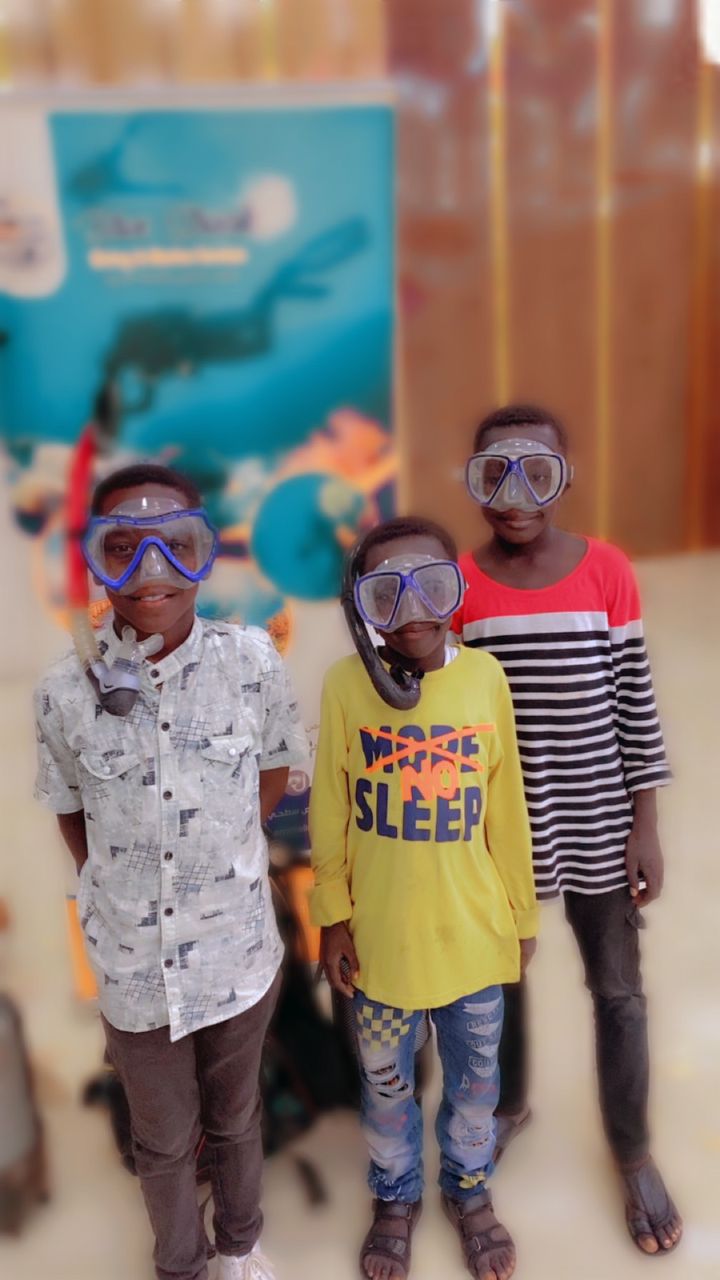
In a coastal city like Port Sudan, where the sea is part of everyday life, swimming is a safety skill for children before it is a sport. Yet clear information about kids' swimming courses in Port Sudan is hard to find. This guide explains why early swim and dive programs are worth the investment, how they differ by age, which safety standards parents should demand — and how Blue Shark runs these programs with certified instructors.
Why Start Swimming Early?
Children who learn to swim between ages four and eight gain water confidence that lasts a lifetime, and their risk of drowning — globally one of the leading causes of childhood injury — drops sharply. But the benefits go far beyond safety: swimming builds heart and lung fitness with zero impact on joints, teaches discipline and listening, and gives a child tangible self-confidence that carries from the pool to the classroom. In a Red Sea city, swimming also opens the door to snorkeling and diving later on.
Programs by Age
Foundation Stage (Ages 4–6)
The focus is water familiarity, not strokes: water games, blowing bubbles, supported back-floating, and safe entries and exits. Sessions are short and playful — the goal is for the child to love the water first.
Stroke Development (Ages 7–12)
Real swimming begins here: front crawl, backstroke, simple surface dives to retrieve objects, and pool and sea safety rules. Groups are split by ability, not just age.
Teens and Advanced (13+)
Refining all four strokes, endurance training, and preparation for fitness tests or future diving courses.
Pool or Sea? Where Do Children Learn Best?
Each environment has its role. A pool (or calm confined water) is ideal for the early stages: clear water, fixed depth, no surprise waves or currents — the child can focus purely on the skill. The sea comes later as the applied stage, where kids learn to handle salinity, extra buoyancy and gentle chop, and discover that the water they've mastered is connected to a living world of fish and coral. Port Sudan offers a rare option: sheltered, protected bays that combine pool-like calm with open-sea richness — perfect for a gradual transition between the two.
Signs Your Child Is Ready
- Enjoys water at bath time and doesn't mind water on their face.
- Can follow simple instructions and wait their turn in a group.
- Shows curiosity about the sea and fish rather than fear.
- If they cry at the sight of water, start with short one-on-one familiarization sessions before any group.
Junior Diving Programs
Yes, children can genuinely dive — within strict limits. International training agencies offer programs for kids from age 8 in shallow confined water (such as Bubblemaker-style experiences), and open-water experiences from age 10 under direct instructor supervision at depths of just a few meters. In Port Sudan that means your ten-year-old could be hovering over a real Red Sea coral reef — the kind of experience that creates the divers of the future. Those who meet the requirements can later join the junior Open Water course.
Safety Standards We Follow — and You Should Demand
- Instructors certified in teaching children and first aid — not merely skilled swimmers.
- Strict supervision ratios: a limited number of children per instructor, especially at foundation levels.
- Suitable training water: depth matched to height, free of currents and crowds.
- Genuine kids' equipment: child-sized masks, fins and flotation — not "adapted" adult gear.
- Clear parent communication: regular progress reports and a published emergency policy.
What Comes After Swimming?
Swimming is the beginning, not the end. A child who has mastered the basics can move on to family snorkeling: a mask, a snorkel, and a short trip to nearby reefs turns lessons into a real adventure. Junior dive programs follow, then a junior certification, then — why not — full family trips to sites like the Umbria and Sanganeb. Many of the region's seasoned divers started as a child learning to back-float in a small group just like these. Today's sessions are the door that opens an entire sea for your child tomorrow.
Schedules and Registration
Courses usually run in small groups on after-school schedules, with intensive programs during summer holidays. Prices depend on the program and number of sessions, so contact us for the current schedule and rates. Full program details are on our kids' courses page.
Tips for Parents
- Never force a frightened child; start with short familiarization visits before committing to a full course.
- Arrive early so your child settles in with the place and instructor without rushing.
- Encourage progress, not comparison — children learn to swim at wildly different speeds.
- Sunscreen, a hat and a light snack for sea sessions — hunger and sun kill concentration.
- Once swimming is solid, consider a family snorkeling trip to Sanganeb as an unforgettable reward.
Kids' Courses FAQ
From what age can a child start swimming lessons?
Water-familiarity programs start around age 4; serious stroke instruction from 6–7 depending on the child's maturity.
Are the instructors certified?
Yes. We work with instructors certified in teaching children and first aid, and we keep strict supervision ratios in every group.
Is the training water safe for children?
Training happens in a controlled environment: appropriate depth, calm water, and direct in-water supervision throughout the session.
What should my child bring?
Comfortable swimwear, a towel, sunscreen and a water bottle. We provide child-sized junior dive equipment.
Can a ten-year-old really dive?
Yes — through internationally recognized junior dive programs, under direct instructor supervision, in shallow, fully controlled water.
A child who masters the water is a safer, fitter, more confident child — and in Port Sudan, a future diver who will see the Red Sea's treasures with their own eyes. Enroll your child in Blue Shark Diving & Marine Services' kids' programs: contact us today to reserve a seat in the next group.