Diving Sudan Without a Liveaboard: Day Boats from Port Sudan
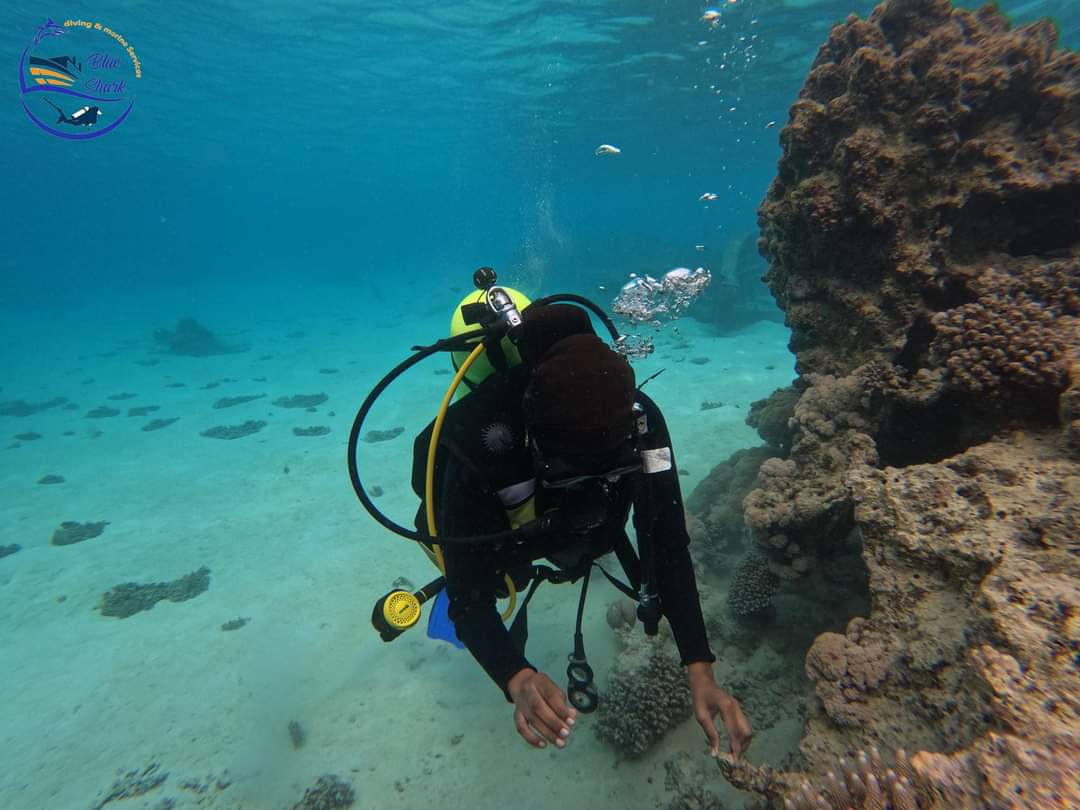
When divers — Arab or international — think of the Red Sea, two names spring to mind: Sharm el-Sheikh and Hurghada. But across the Egyptian border lies a completely different option: diving in Sudan, where reefs remain pristine, boats are few, and the experience feels like the Red Sea of thirty years ago. The biggest surprise? You don't need an expensive liveaboard to dive Sudan — day boats leave Port Sudan every morning. This article compares the two experiences honestly and shows you how to plan a Sudan dive trip from start to finish.
Crowds & Prices: An Honest Comparison
At famous sites south of Sharm or around Hurghada you may find ten boats over a single wreck and a queue of divers waiting their turn at the entry point. In Port Sudan, the normal scene is that your boat is the only one on the site all day. The reason is simple: far fewer operating centers, and far bigger reefs.
On prices, reality differs from perception. Yes, mass-market day diving in Egypt is extremely cheap thanks to fierce competition. But Sudan diving is usually compared against Egyptian liveaboards to remote southern sites — and a week-long liveaboard typically costs more than several days of day-boat diving from Port Sudan plus comfortable accommodation on land. You're not paying for a fancy cabin on a boat; you're paying for the diving itself.
Sudan's Pristine Reefs: What It Means in Practice
"Pristine reefs" is not a marketing phrase here. Decades of low tourist pressure preserved coral density that's hard to match further north: giant gorgonians on the walls, healthy hard corals with high coverage, and big fish that don't flee from divers' bubbles because they never learned to fear them. Sites like the Umbria wreck — ranked among the world's best wreck dives — lie close to the harbor and are rarely crowded.
The Liveaboard Alternative: Day Boats from Port Sudan
Foreign-language content about Sudan is dominated by one idea: "liveaboard only." That's true if you want the remote southern sites, but it's not the whole picture. From Port Sudan's harbor, day boats run to Sanganeb, Umbria, and other nearby reefs, returning before sunset. You sleep in a hotel, eat in the city's restaurants, and dive a new site every morning.
This model suits three groups the liveaboard market ignores:
- The independent traveler on a moderate budget who can't pay for a full week aboard.
- Anyone combining diving with other activities (family snorkeling, town excursions).
- The newer diver who wants to build experience gradually through day dives rather than an exhausting intensive week.
Liveaboards remain the way to reach the far southern sites — but a fair comparison starts with knowing you have an alternative.
Getting to Port Sudan & Where to Stay
Port Sudan's international airport receives domestic and regional flights, and the city itself is an old trading port with a character quite unlike resort towns: a market, a corniche, and neighborhood cafés. Accommodation ranges from downtown hotels to furnished apartments, and daily living costs are generally lower than Egypt's big resorts. Our advice: plan at least one arrival day before your first dive — the journey is part of the adventure.
Best Season for Diving Sudan
The golden season runs October to May: mild air, excellent visibility, and between October and January real chances of hammerhead sharks at the northern sites. Summer is hot topside but workable for acclimatized divers, with the bonus of completely empty sites. Compared with Egypt, Sudan's winter season is gentler on land temperatures.
Why Divers Choose the Sudanese Experience
Ask any diver who has visited both destinations and you'll hear the same answer in different words: in Sudan you feel like an explorer, not a tourist. No queues on the wreck's surface, no crowding on the mooring line, and your guide practically knows every turtle on the site by name. Add the simplicity of arranging everything with a local center that knows the sea: at Blue Shark we sort your day trips, your gear, and your logistics from a single message.
FAQ: Diving Sudan vs Egypt
Do I need a liveaboard to dive Sudan?
No. The famous nearby sites — Sanganeb, Umbria, and Port Sudan's reefs — are covered by day boats that leave the harbor and return in the evening. A liveaboard is only needed for the remote southern sites.
How much does a day trip cost?
Cost depends on the site, number of dives, and group size, but overall it's far less than a single liveaboard day. Contact us for a specific quote for your plan.
Is Sudan safe for divers?
Travel conditions change, so always check your government's official travel advisories before booking and follow current security updates. When you do travel, work with a licensed local center that knows the area and maintains contact with maritime authorities.
What certification do I need for Port Sudan?
An Open Water card covers many sites with a guide, while Advanced is preferred for deep walls and current-prone sites. Not trained yet? You can finish your course here before heading to the sites.
The same Red Sea, but two different experiences: proven crowds in the north, or calm, pristine reefs an hour from breakfast in the south. If you choose the second, we at Blue Shark are ready to accompany you from the first message to the last dive. Contact us and let's plan your trip together.