Diving Courses in Port Sudan: Open Water to Advanced
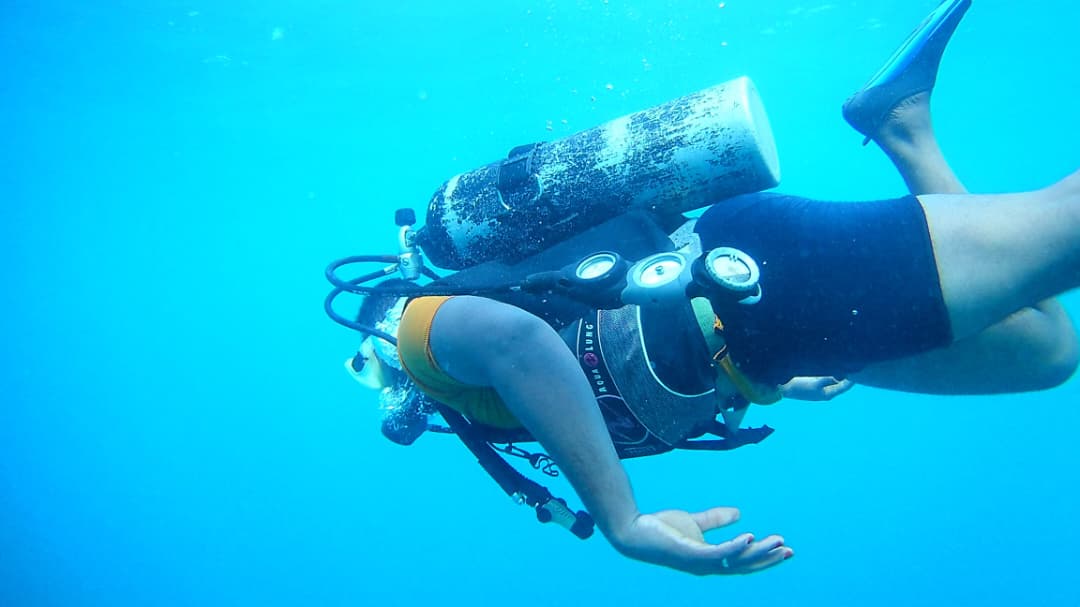
Imagine learning to dive in some of the clearest water in the entire Red Sea: pristine reefs, 20-meter visibility, and small groups that never compete for the instructor's attention. That's not a fantasy — it's the daily reality of taking a diving course in Port Sudan. This guide covers the courses available in Sudan, what they include, how long they take, and how to pick the right certification — whether you're a complete beginner or a diver looking to level up.
Why Learn to Dive in Sudan?
Many people travel to Hurghada or Jeddah to learn, where they train in large groups on reefs visited by thousands of divers before them. Port Sudan is the opposite: training sites sit on healthy reefs close to the harbor, instructor-to-student ratios are small, and calm, sheltered water makes first skills easy. And the real reward? The moment you're certified, you're an hour by boat from Sanganeb Atoll and the Umbria wreck — sites European divers pay thousands of dollars to reach.
Cost matters too: course prices in Sudan are generally lower than at the region's resort hubs, with no compromise on training quality.
Course Types Available
Discover Scuba Diving
Not a course and not a certification — just the perfect first taste: a short briefing, skills practice in shallow water, then a real dive on a coral reef with an instructor literally at your side. Suitable from around age 10.
Open Water Diver
The core certification that opens diving worldwide. It combines theory (dive physics, safety, planning), confined-water skill training, and four open-water dives. Afterwards you can dive to 18 meters with a buddy anywhere on the planet.
Advanced Open Water
The next step: five specialty dives including deep diving to 30 meters and underwater navigation, plus electives like wreck diving — and there's no better classroom for that than the Umbria.
Rescue and Specialties
For those aiming higher: Rescue Diver, first aid, and specialties such as night diving and underwater photography.
What's Included in a Course?
- Learning materials and theory (available in Arabic and English).
- All dive gear during training: wetsuit, regulator, BCD, mask and fins.
- Confined and open-water dives with a certified instructor.
- International certification processing fees.
- Boat transfers to the marine training sites.
All you need to bring is swimwear, a towel, and a willingness to learn. Prices vary by course type and group size, so contact us for current rates rather than relying on outdated numbers online.
How Long Does It Take?
An Open Water course typically runs 3 to 5 days depending on your schedule and pace — some students finish over a long weekend, others spread sessions across two weeks. The Advanced course is shorter: two to three days. Much of the theory can be completed online before you arrive, cutting your time in the classroom.
What Does the First Training Day Look Like?
Day one usually starts in shallow water, not the open sea. After a short orientation and theory briefing, you gear up and take your first underwater breaths in water no deeper than you can stand in — a moment no diver ever forgets. Skills then build gradually: clearing your mask, recovering your regulator, controlling buoyancy. The instructor never moves on before you've mastered the previous step, and the group never enters open water before every skill is solid. This progression is exactly why diving is statistically safer than many beach sports.
How to Choose the Right Dive Center
- Confirm the instructors are certified and the center belongs to an international agency.
- Ask about group size: one instructor to four students beats one to ten.
- Look at the equipment — a center that cares for its gear cares for your safety.
- Ask where training dives happen; good nearby reefs are a great sign.
- Cheapest isn't always best: compare what the course actually includes.
International Certifications: What They Mean
When choosing a dive center, confirm it issues certifications from a recognized international training agency such as PADI or an equivalent. These certifications never expire and aren't tied to any country — an Open Water card earned in Port Sudan lets you dive in Thailand, the Maldives, or any dive center on Earth. Keep your card and your logbook safe: they're your passport underwater.
How to Book with Blue Shark
Simple steps: browse our dive courses page to pick your level, then message us to set dates and confirm seats. Advance booking is wise, especially in the winter season and on weekends. Have kids? We run dedicated swimming and diving programs for children starting from a young age.
Diving Courses FAQ
Do I need experience or to be a strong swimmer?
No diving experience at all. You just need to swim and float with confidence — we teach you everything else from zero.
How long is the Open Water course?
Usually 3 to 5 days; completing the theory online beforehand shortens it further.
Is the certification recognized internationally?
Yes. Cards issued by international training agencies are accepted at dive centers worldwide and never expire.
What's the minimum age to start diving?
Open Water certification is available from age 10 (with depth limits for juniors), and Discover Scuba from about the same age.
How much do courses cost?
It varies by course and group size — contact us directly for current prices and group offers.
Diving is a skill that stays with you for life, and no place in the region pairs quality training with world-class sites like Port Sudan. The instructor team at Blue Shark Diving & Marine Services will take you from your first underwater breath to your international card. Contact us today and reserve your seat in the next course.